
The contest is the setup, and it is a good one: whoever collects the most trash wins a candy. Volume is the only scored metric. Nobody awards points for judging whether a thing is actually trash. Hand a fourth-grader a rule like that and you have built a machine that eats context.
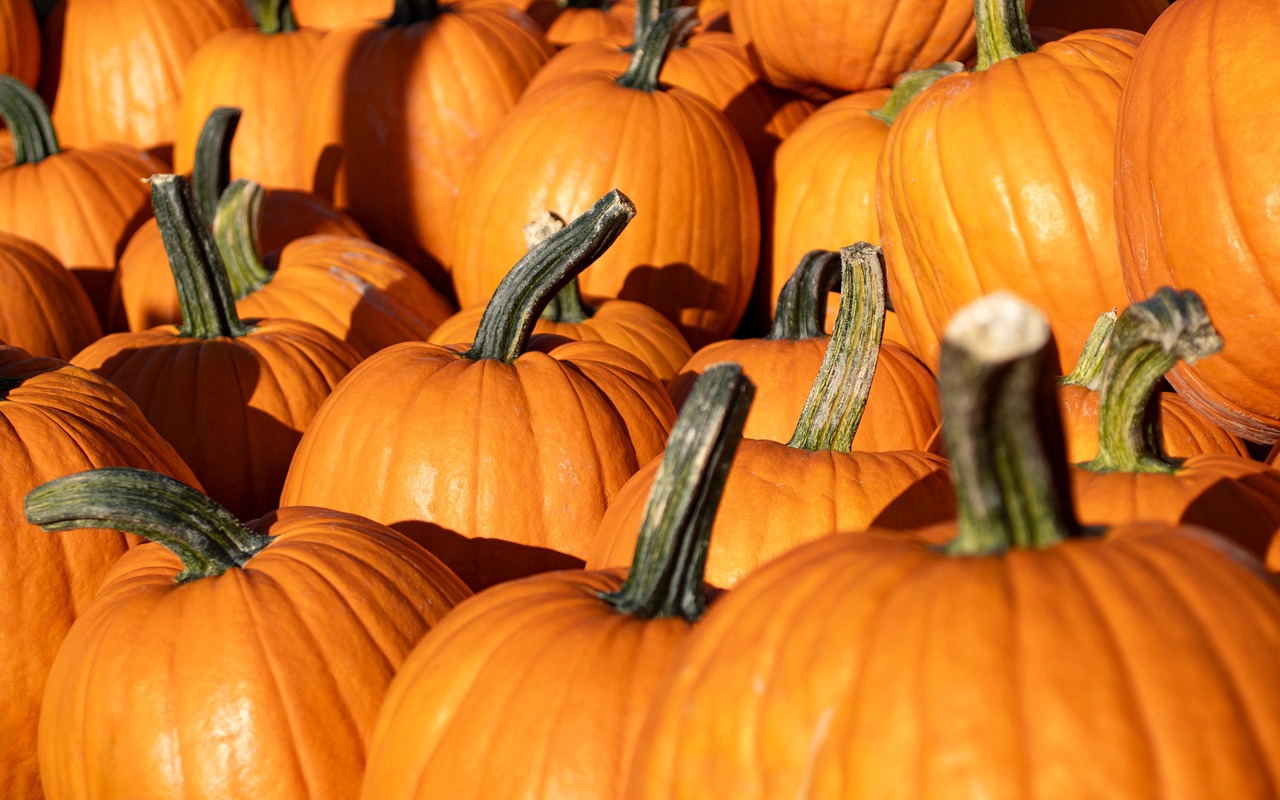
Escalation comes in the sensory details rather than the plot. Melted pumpkins. Fruit flies. Unknown goo. You can smell the post. Then comes the one load-bearing detail: the pumpkins carried no labels. On a rotting gourd, a label would have been a small miracle of adhesive engineering, which is exactly why the detail lands.
The twist is not that the kids ruined something. The twist is the adult who said yes, then watched them get pulled from the competition for following orders. That is the swap the joke needs: authority evaporates precisely when it is needed, and two nine-year-olds absorb the blame for a system that never told them the pumpkins were load-bearing.
What it reveals is less about pumpkins and more about contests with lazy scoring. Count-only incentives reward exactly the wrong kind of enthusiasm. The pumpkin, already dissolving, was doing its final job: teaching a lesson nobody wrote down.