
Three hours, one pot of soup, and a rule nobody agreed to: when he cooks, the kitchen becomes a sovereign state with closed borders.
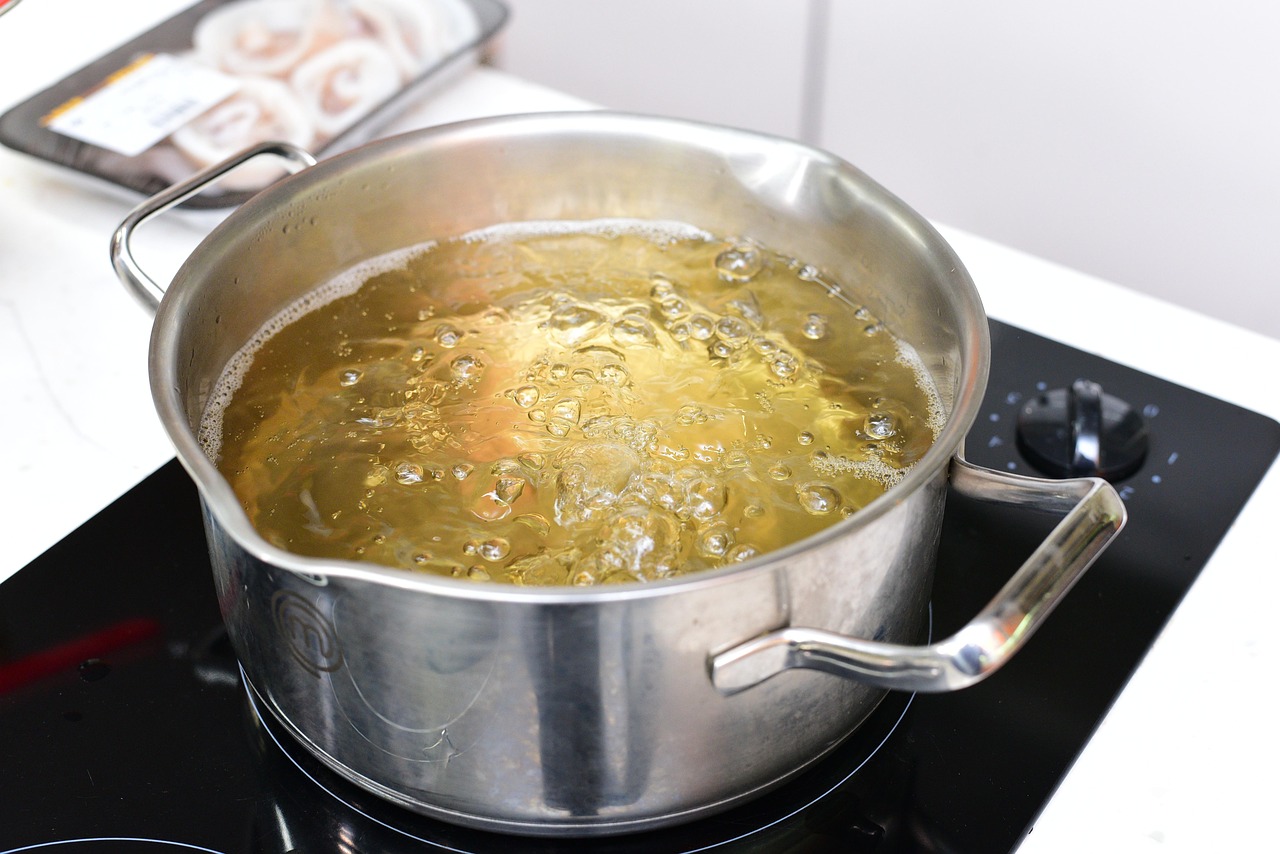
The tell isn't the burner, it's the timetable. He can't say when he'll finish because he hasn't made the recipe before, which means he has scheduled an open-ended occupation and expects the household to treat it as fixed. A real cook knows roughly how long soup takes and says so. A person avoiding the question is not protecting a process, he is protecting the option to take as long as he likes while someone else goes hungry. That's not cooking. That's a hobby with hostages.
And then the flattery of "I would figure it out." Nine times out of ten that's flattering a problem the other person already solved. She had already solved it: potatoes, one burner, a stew that needed bulking out. What he's really saying is that his convenience is the default configuration of the house, and hers is the adjustment. Notice he never asked her to leave the kitchen; he just assumed compliance and blamed her for not intuiting a rule he hadn't stated. Rules announced after the fact aren't rules; they're verdicts.
The comments split on the details, as comment sections do. Some argue that boiling potatoes can wait, that a shared stove takes turns, and that a bowl of cereal exists. Fair enough in the abstract, but it dodges the actual failure: she asked at 6:30, before the burners were in use, and got a no instead of a when. Several others note that a preference for soup shouldn't arrive with a lock on the kitchen. I'd put it more simply: the meal is his, the inconvenience is hers, and the arrangement works beautifully for exactly one of them.
A home is not a restaurant with one chef. If you can't say when you'll be done, you don't get to claim the whole room.