
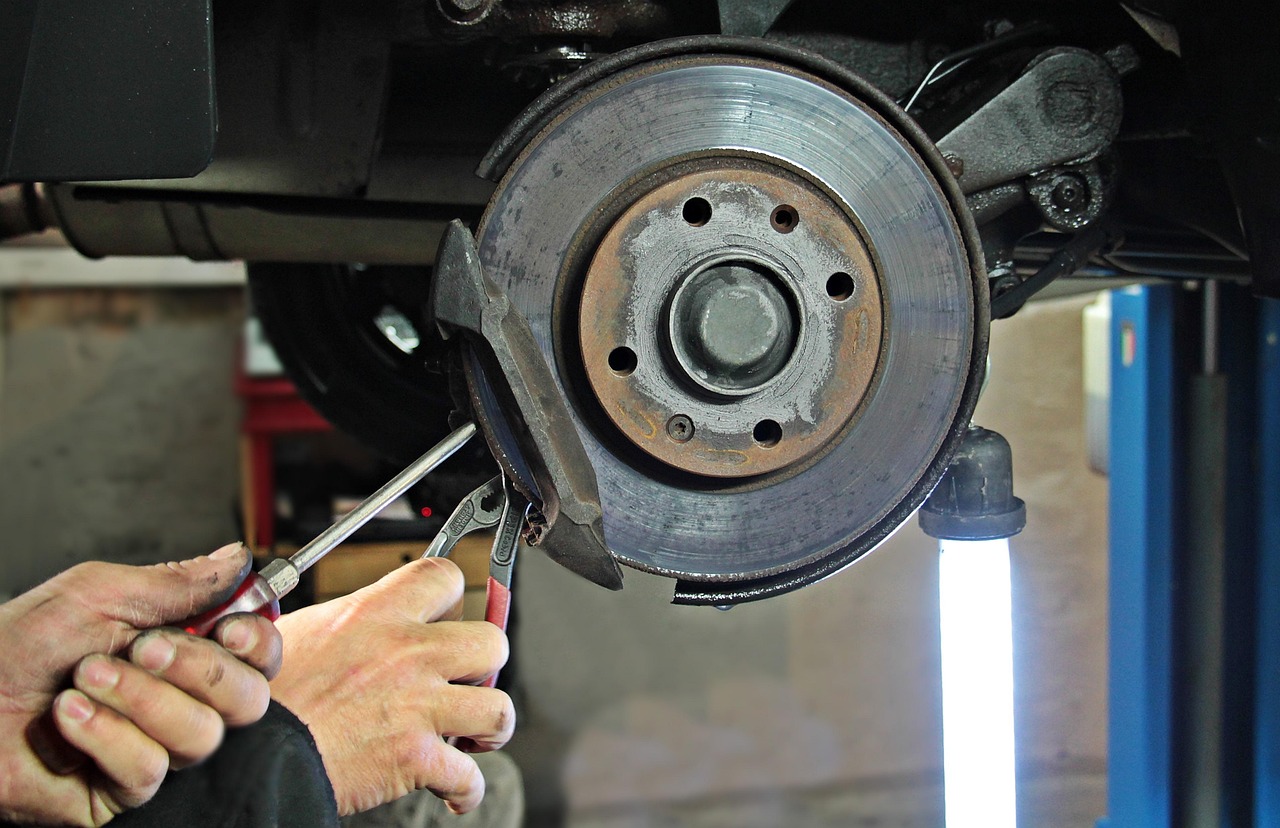
The car went in the ditch because four adults agreed to handle a brake job and then went back to their lives. That is the whole plot. Everything after it is a fight about who gets to be upset first.
Her fiancé yelling "I can't feel bad for you if you don't ask for help" is not concern wearing a loud shirt. It is a man announcing that his empathy is a vending machine and she forgot the coins. She had a wreck, three hours of a stranger's help, and a body full of adrenaline. Choosing that hour to grade her communication is not love under pressure. It is love on a scoreboard.
The shop part settles it. She said she wanted to be alone. He drove there anyway, then narrated his own ten-hour shift as a debt she owed him for showing up. Turning up uninvited and calling it checking on her is not care; it is care with a receipt. And the car inspection he demanded was three weeks and one ditch late.
That said, the brake delay belongs to her too. She asked three men to handle it, they didn't, and the car sat there. Being right about their flakiness doesn't make the car stop. She could have driven to a garage on a Tuesday afternoon without asking anyone's permission. Boundaries cut both ways: if you're tired of waiting on people, stop handing them the keys.
The comments are split, and the split is the interesting part. One camp says you don't owe a partner a live feed of your worst day, and the shouting disqualifies him from the comfort job. The other camp says she lied by omission for a whole evening, then expected him to be fine about it. I'll take the first camp, but with an asterisk: not telling him isn't the crime. Not telling him and then expecting him to intuit the mood is the small, human, forgivable mistake.
The universal bit is that the person who didn't fix the brakes rarely gets yelled at, and the person who owns the car always does. Three weeks of quiet inaction, one loud evening, and somehow she's the one writing the apology draft in her head.