
The joke opens as a confession: a spider gets a treat, the treat is wrong, guilt ensues. Standard pet-owner material, and it works on the same fuel as any apologetic dog story — you are invited to feel for a small creature whose interior life you have invented.
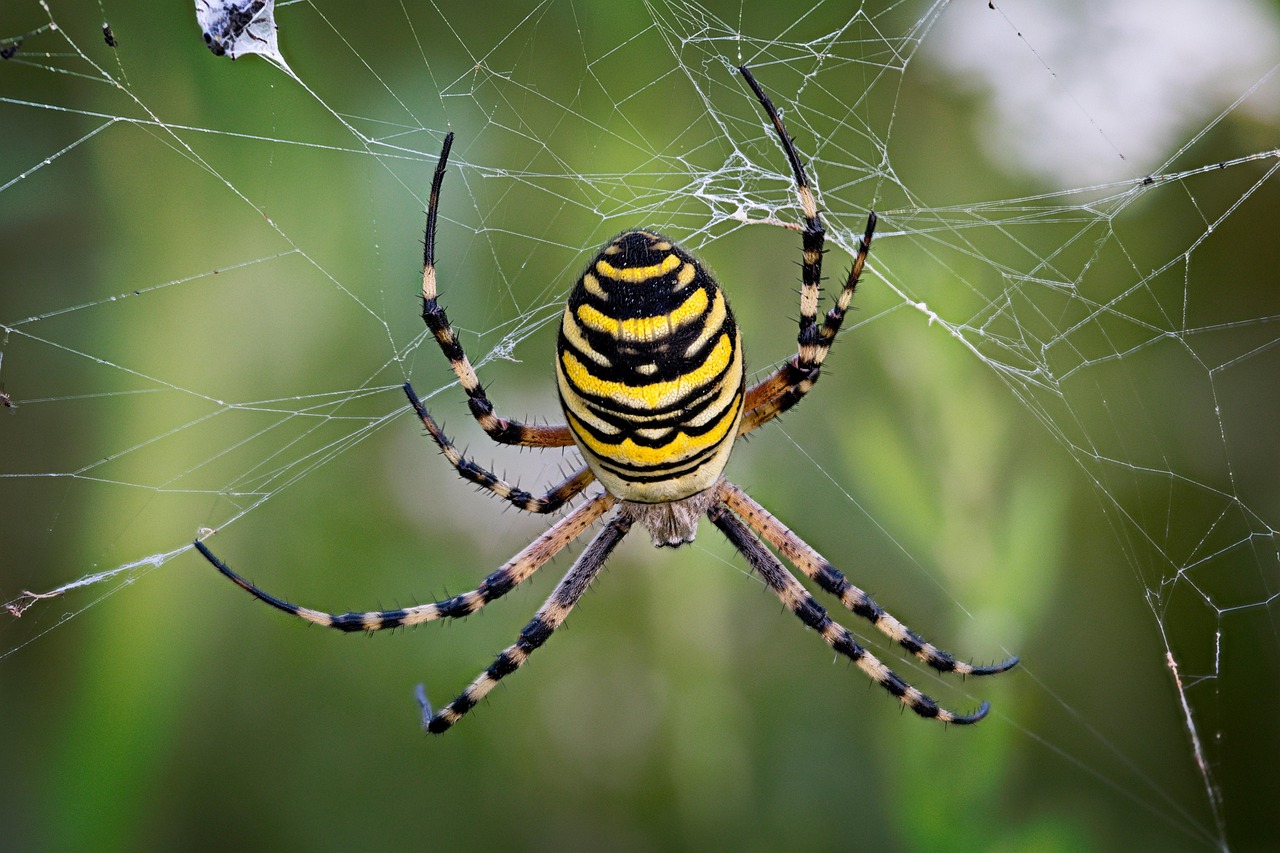
Then the escalation does something clever. It declines. The spider spends fifteen minutes wrapping her impossible dinner, kicks it out, and the post refuses the obvious sentimental beat. No lesson, no reconciliation. A slug arrives, which feels like a second act. It nibbles, and then it leaves. Two updates, each one subtracting meaning rather than adding it.
That structural nosedive is the whole bit. Most confession threads inflate; this one deflates twice, and the repeated reversal is funnier than either event alone. The most quotable moment is also the most honest one: the writer gets halfway through describing the slug moving and gives up, conceding they don't know the word. That stumble is more charming than the punchline, because it sounds like someone actually typing.
Small criticism: the cricket's fate is settled before the slug appears, so the second update is a footnote, not a twist. The rhythm of a three-beat joke wants a turn the first ending didn't already signal. But if the payoff is mild, the performance is not. A joke about a spider's wasted evening is rescued by the fact that the teller never once tries to make it mean anything.